
Biophilic Interior Design: Creating Mother Nature’s Dream Home
People crave connection with nature, especially in modern indoor environments. But how can you invite the outdoors into your home without making the space look like a jungle? The answer is biophilic design, a trend that’s been on the rise in homes and offices as part of the wellness and design movement.
Now, it goes beyond having a few indoor plants; it’s about creating a home that looks and feels like a breath of fresh air, nodding to all the beautiful aspects that the natural world has to offer. This includes form, color and furniture that enhance well-being, productivity and harmony.
This guide will give you a thorough understanding of what this interior design style is and provide practical tips for achieving the look in your own house. Let’s grow!
What Is Biophilic Interior Design?
Biophilic design uses outdoor inspirations as gigantic mood boards that allow you to select from a multitude of colors, natural materials, organic shapes and patterns. Think lush indoor plants, warm wood, cool stone and water and light features. Not only does it look beautiful, but it has also been proven to boost our moods, increase productivity and reduce stress levels.
The emphasis on the biophilic look is based on the growing appreciation for nature and its calming influence on our lives. People are seeking more comfort and coziness at home via painted nooks, moody wallpaper, warm wood tones and rich, colorful upholstery. There is a rise of soft, warm nuances that are spirit-lifting and dopamine-enhancing. People long for spaces that bring nostalgic moments to mind; fond recollections from our past that elicit a sense of warmth, comfort and longing.
Biophilic design elements play a therapeutic role as they can be calming, uplifting, and anxiety-reducing. Designs should include hues that mimic natural occurrences by bringing nature into the home. This can be in the form of rounded walls, curved furniture, skylights, natural elements and colors.

Why Opt for Nature-Focused Design?
The design style looks great, but what benefits can you get from implementing it in your home? Here are just a few to consider:
- Mental health: Nature automatically reduces stress, anxiety and fatigue. Using biophilic decor inspired by the environment can help do the same.
- Physical health: Fresh air and increased sunlight from plants and big windows improve indoor air and sleep quality.
- Productivity and creativity: The constantly shifting but always fresh beauty of natural elements can invite more ideas and increase creativity levels.
- Easy application: From living rooms and kitchens to home offices and bedrooms, biophilic design looks great no matter where you integrate it.
Tips for Securing the Biophilic Look
Creating a home that will make Mother Nature proud is less difficult than you might think. Just test out these design best practices for a flawless finish:
Maximize Natural Lighting
Make the most of whatever natural sunlight you have by using sheer window treatments or strategically placing mirrors to reflect light. Also, consider putting in skylights or light wells that can boost vitamin D, or arrange your furniture to increase daylight exposure.
Incorporate Plants and Greenery
We couldn’t possibly provide insight into biophilic design without talking about plants. Choose one potted plant or build an entire vertical garden full of your favorites. There are choices, even if you don’t have a green thumb:
- Low-maintenance: Snake plant, pothos and ZZ plant.
- Statement greenery: Fiddle-leaf fig, monstera.
Air-purifying: Peace lily, spider plant.
Use Natural Materials
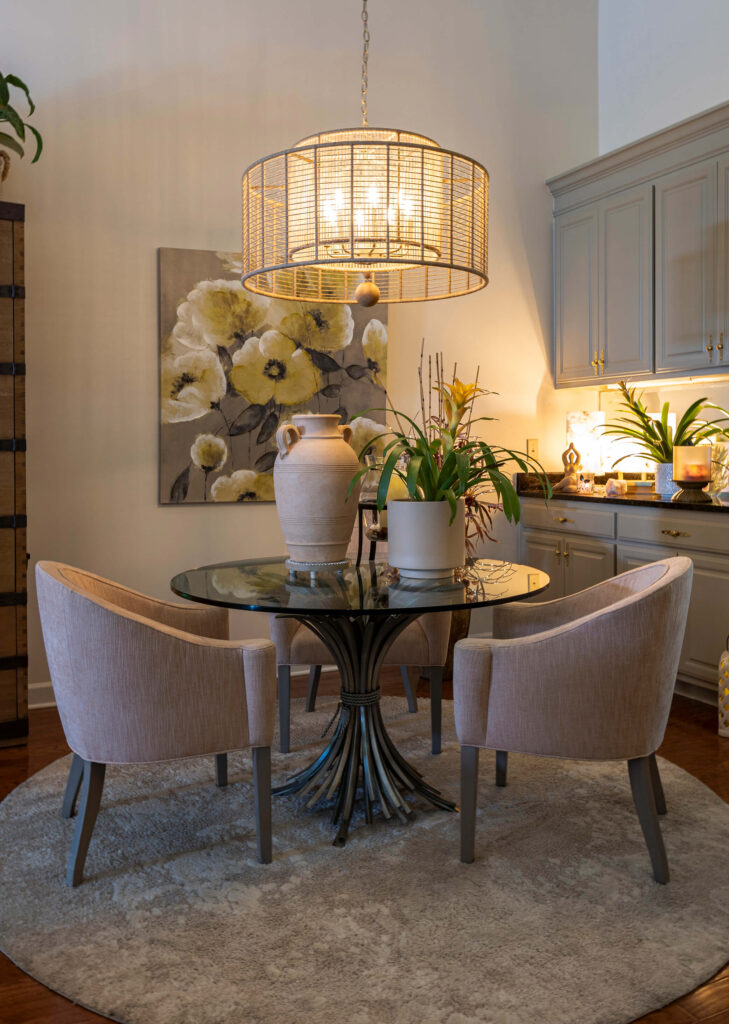
Organic touches are all around you — select beautiful options that will match your personal style. Consider wooden flooring, reclaimed wood beams or furniture in organic shapes. Or, try stone countertops or an accent wall for a fun addition. Throw in some textiles like linen, cotton or jute in upholstery and rugs, and you’re all set.
Enhance Air and Water Quality
Make your home the healthiest possible place for you and your family to live with ventilation and purification systems or living walls. These additions ensure your health stays top of mind without sacrificing style.
Choose Hues That Remind You of Going on a Walk
When you open your front door, what colors do you see? Probably a lot of greens and blues — but taupes, pastels and other earthy colors can also do wonders in your biophilic space. These palettes evoke feelings of calm and balance, making them the perfect schemes to introduce for a cohesive effect.
Harmonious Biophilic Spaces Start Here
Before you jump right in, remember these key biophilic design principles:
- Use the 70/30 rule: Blend natural and artificial design elements harmoniously.
- Balance sensory elements: Combine sight, touch and sound through organic materials and natural textures.
- Focus on cohesion: Keep colors, sustainable materials and natural accents consistent across rooms. Don’t be afraid to use natural patterns within the indoor environment.
If ensuring you’ve followed each of these rules makes you nervous, don’t sweat it. Just ask for help from a professional! A Decorating Den Interiors personal decorator can be your ticket to the perfect home interior, ensuring all the key biophilic principles are accounted for. Find the nearest designer by entering your zip code.